
Cate Blanchett Takes Stand on AI, Launches Consent-First Non-Profit Company
Imago
Credits: Imago
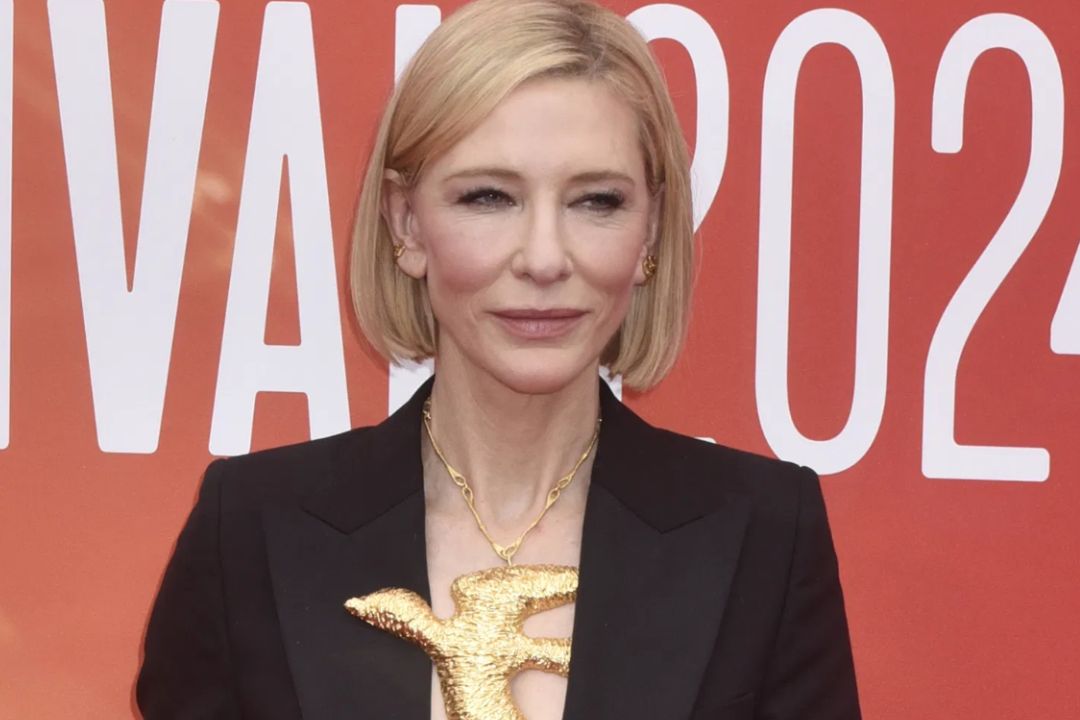
Cate Blanchett has positioned consent as the central ethical front line in the AI debate, launching a concrete effort to give creators control over how their work and likeness are used. Co-founding the non-profit RSL Media, she is part of a coalition that includes Javier Bardem, Tom Hanks, and more, alongside major agencies like Creative Artists Agency, all rallying behind a new “Human Consent Standard.”
The free, public registry, set to go live in June, lets anyone declare whether AI may use their identity, creative output, or both, and under what conditions. These permissions function as machine-readable signals that can be recognized across platforms and production systems. Blanchett, who has long been vocal about the dangers of AI, expressed at Cannes how to battle AI: the first step is to exercise consent.
“AI technologies are expanding rampantly, essentially unchecked and unregulated. In order for humans to remain in front of these technologies, consent must be the first consideration,” she explained. She framed the current landscape as one where creative work is absorbed without clear approval.
“RSL Media is a simple, effective and free solutions based technology for facilitating and activating consent. It’s also the industry’s first practical solution where people everywhere, not just public figures, can assert control over how their work is used by AI," she further said, with emphasis on accessibility, highlighting a broader ambition.
By introducing a universal opt-in or opt-out structure, the initiative seeks to establish consent as a baseline expectation. Rather than reacting to misuse after the fact, it attempts to embed permission into the foundation of AI workflows. In doing so, it reframes creators as active participants rather than passive sources.
That push for structure comes as the wider film world continues to negotiate its own evolving relationship with AI.
Cannes reflects a shifting balance between AI innovation and creative control
At events surrounding the Cannes Film Festival, the tone around artificial intelligence has begun to shift from alarm to cautious acceptance. Filmmakers are increasingly exploring how AI can streamline production without fully surrendering creative authority. The conversation is moving toward balance rather than outright rejection.
French director Xavier Gens, known for Under Paris, acknowledged that emerging AI-driven workflows could significantly reduce both costs and timelines. He suggested that visual effects budgets could be cut in half while post-production schedules shrink dramatically. For an industry still recovering financially post-COVID, that level of efficiency is difficult to ignore.
Spaces like the Cannes Film Market’s Innovation Village now highlight startups building AI tools for editing, analytics, and workflow automation. This growing presence signals institutional openness to experimentation. At the same time, clear boundaries, such as those Cate Blanchett has reasserted through RSL, must remain in place to preserve artistic standards.
What do you think about Cate Blanchett’s push for AI consent and the industry’s evolving stance? Let us know in the comments.
Written by

Pratham Gurung
Edited by

Adiba Nizami