
Kentucky Derby’s Historic Finish and Dramatic Win Draws Biggest Audience Yet for NBC
Imago
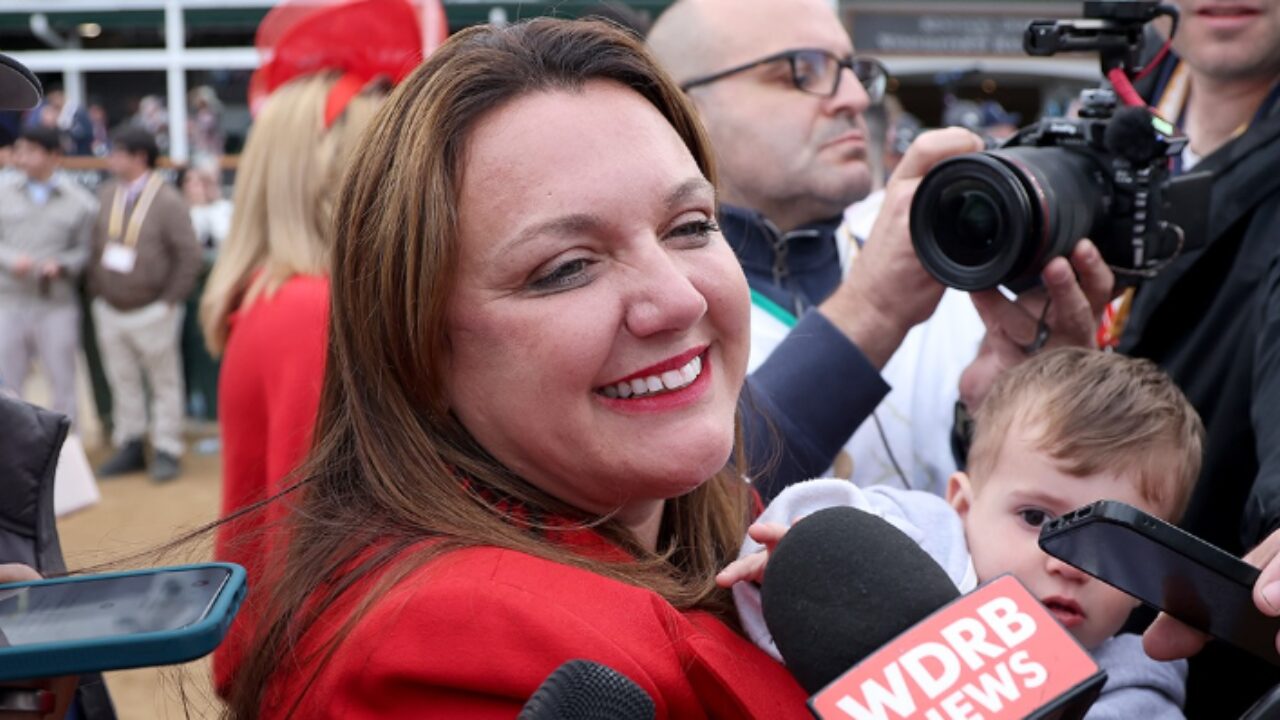
Cherie DeVaux/@espnw/Instagram
The 2026 Kentucky Derby delivered a major television moment for NBC, drawing an average of 19.6 million viewers across NBC and Peacock, peaking at 24.4 million during the race. Streaming platform Peacock contributed around 1.3 million concurrent viewers, reinforcing that while digital viewership is growing, traditional television still dominates the overall audience.
“I don’t even have any words right now. I just can’t,” DeVaux said after the race. “Jose did a masterful job getting him there. He was so far out of it.”Cherie DeVaux became the first woman trainer ever to win the Kentucky Derby, a breakthrough moment that drew viewers beyond usual horse racing audiences and added broader significance to the broadcast. The spike in viewership was not just about the race - it was driven by a historic milestone.
The numbers also reflect a double-digit year-on-year increase, underlining the Derby’s continued resonance with the audience as one of NBC’s most consistent live draws. It remains one of the network’s strongest annual broadcasts outside of the NFL and the Olympics, delivering large-scale audiences in an increasingly fragmented viewing landscape.
In terms of scale, the Derby occupies a distinct position within NBC’s programming slate. It significantly surpasses regular sports broadcasts, which typically draw 3–10 million viewers, while still sitting below mega-events like the Super Bowl (120M+) or the Olympics. This places it as one of NBC’s most valuable single-day, non-NFL, non-Olympic events.
A race often described as "the most exciting two minutes in sports" delivered exactly that - and more this year, but beyond the business and numbers, it’s the way the Derby delivers its impact in such a short window that continues to set it apart.
Why the Kentucky Derby remains one of NBC’s most valuable live television assets
On paper, the Kentucky Derby is nearly six times smaller than the Super Bowl in average viewership, but the comparison shifts when measured by efficiency. The Derby delivers its peak audience in just two minutes of racing, compared to a 3.5-hour Super Bowl broadcast. That makes it one of the most intense per-minute engagement spikes in television, a format advertisers continue to value for its precision and predictability.
From a revenue perspective, the game is less about volume and more about audience quality. While Super Bowl ads command over $10 million per 30 seconds, the Derby delivers a high-income, live, non-skippable audience at a predictable peak moment. At the same time, NBC is using events like the Derby to fuel its streaming platform. Peacock currently has around 44 million subscribers and generates roughly $1.6 billion in quarterly revenue, but is still operating at a loss, reportedly around $552 million in a single quarter. Live events like the Derby are central to closing that gap.
The Derby also plays a role in NBC’s broader strategy of dominating the live-event calendar. With annual investments exceeding $8 billion in sports rights - including the NFL, Olympics, and a new NBA deal worth around $2.45 billion per year - the network is building an ecosystem where each event drives audience retention and cross-platform growth. In that system, the Derby isn’t competing with the Super Bowl - it serves a different function: a short, high-impact cultural moment that consistently delivers.
Did you tune into the Kentucky Derby this year, and do you think events like this still define the future of live television? Let us know in the comments.
Written by

Aarav Poonia
Edited by

Aliza Siddiqui