Mark Ruffalo Claims Studio Blacklisting Fears Kept Stars Silent on Paramount-Warner Bros. Merger
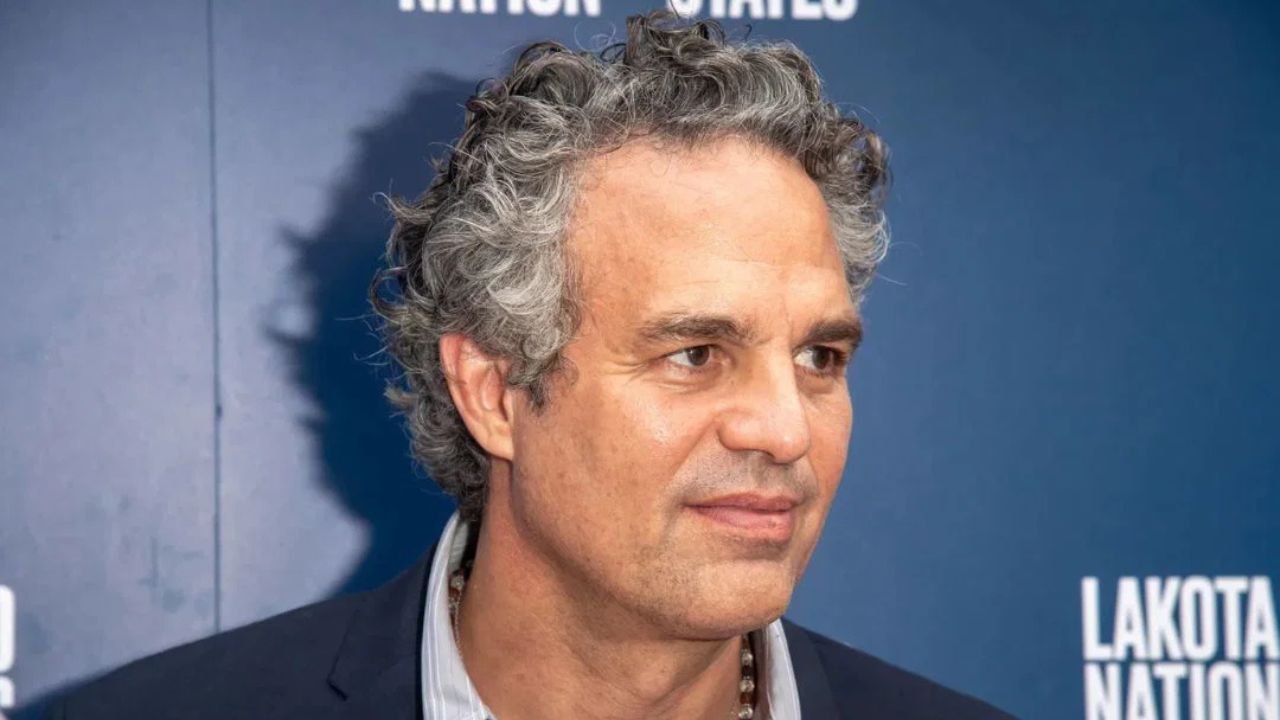
Imago
Credits: Imago
Mark Ruffalo is calling out Hollywood's culture of silence, and the reason behind it is more significant than anyone expected. Thousands signed an open letter opposing the Paramount-Warner Bros. merger. But according to Mark Ruffalo, the bigger story lies in the Hollywood names that stayed silent out of fear of retaliation.
Fear, not indifference, kept major Hollywood names off the anti-merger petition. Mark Ruffalo and Matt Stoller revealed that countless artists privately supported the cause but refused to put their names on record, dreading professional consequences. The pair even cited concrete instances of apparent retaliation already in motion.
"The most revealing thing about that letter wasn't the people who signed. It was the people who didn't. Not because they disagreed — because they were afraid," Ruffalo and Stoller wrote in a New York Times op-ed published May 7, 2026.
They then added, "There are many reasons to block this deal, but we now believe the most fundamental one is what we encountered when asking artists to use their voices: fear. A deep, ugly and pervasive fear of speaking out," making clear that the merger's damage to free expression has already begun.
The fear proved far from theoretical. When The Ankler's editorial director appeared at an event carrying Block the Merger buttons, Paramount reportedly pulled its advertising from the publication entirely. Meanwhile, CNN, owned by Warner Bros. Discovery, declined a planned segment featuring Ruffalo discussing the merger, with producers reportedly citing "legal considerations" given the parent company's direct stake in the outcome.
While studios quietly punished those who spoke up, thousands still found the courage to sign, and the reasons behind that letter run much deeper.
The Paramount-Warner Bros. merger and what it means for Hollywood storytelling
The open letter at BlockTheMerger.com warns that approving this roughly 110 billion dollar deal would shrink major American film studios down to just four. Among the 4,000-plus signatories are approximately 75 Oscar winners, including Robert De Niro, Jane Fonda, Bryan Cranston, and David Fincher. Ruffalo also testified before a Senate hearing called by Senator Cory Booker, outlining the merger's threat to jobs, independent storytelling, and democratic media diversity.
Mark Ruffalo and Matt Stoller argue that federal enforcement under the current administration is unlikely, so state attorneys general, particularly California's Rob Bonta, must step in on antitrust grounds. The deal, already approved by Warner Bros. Discovery shareholders on April 23, 2026, still awaits regulatory sign-off in both the United States and Europe, with a close expected in the third quarter of 2026.
What are your thoughts on Hollywood's silence and the fight to block this merger? Let us know in the comments.
Written by

Shraddha Priyadarshi
Edited by

Itti Mahajan