
Martin Short Opens Up About Jealousy and Self-Doubt During Bill Murray’s Rise
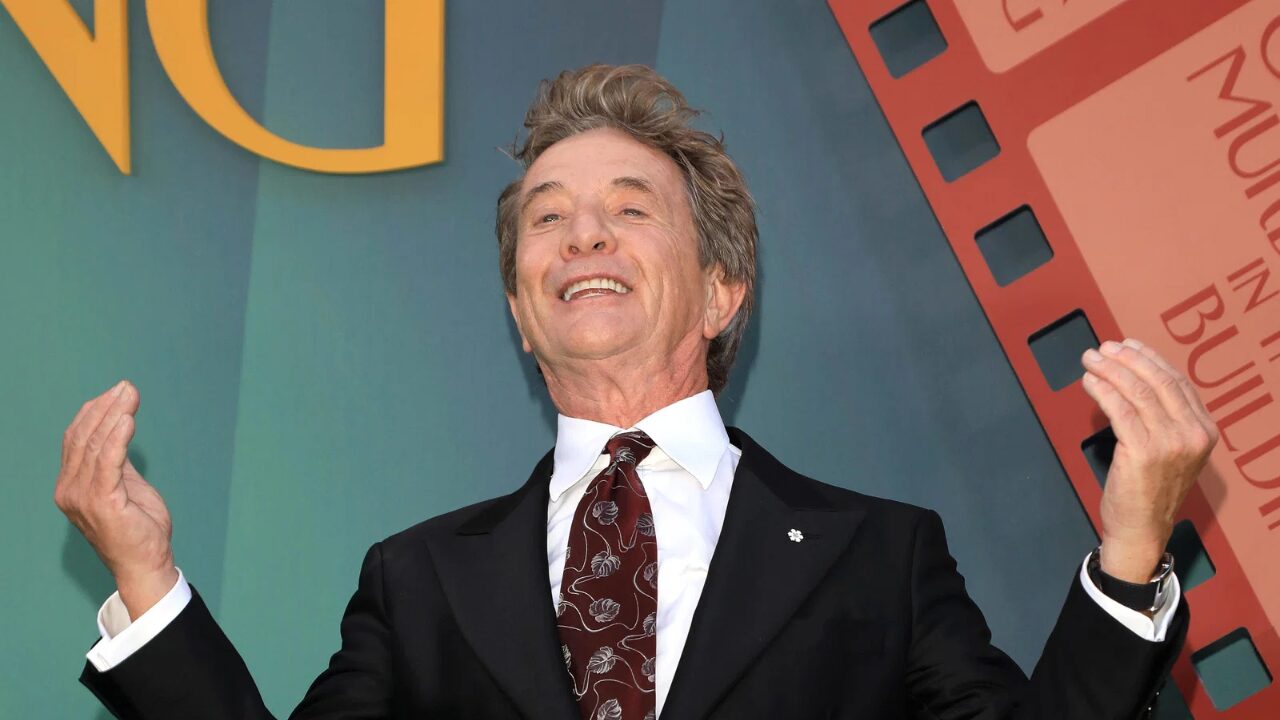
Credits: Imago
Credits: Imago
Martin Short once admitted he could not bring himself to celebrate Bill Murray's success. The veteran comedian was unemployed, directionless, and standing frozen on a Los Angeles sidewalk. The story involves a dinner he never attended, a breakdown he never forgot, and an epiphany that changed everything.
Bill Murray was already thriving on Saturday Night Live, and Martin Short was quietly falling apart. A planned dinner between the two comedians and musician Paul Shaffer never happened, because Short simply could not walk through that door. With no work, no prospects, and no real direction, Short hit a wall he did not see coming.
"I said, 'I can't go and pretend to be happy for Bill, because I don't know what I'm doing. I need to sit down,'" Short recalled telling his wife Nancy Dolman, in the documentary Marty, Life Is Short, premiering May 12 on Netflix, labeling the moment "breakdown corner."
Short then added, "We sat there for about 10 minutes and did not speak," painting a picture of two people sitting in stunned, heavy silence.
Murray was not just on television; he was becoming a cultural phenomenon, with Caddyshack and Ghostbusters already building on his Saturday Night Live fame. Short, meanwhile, was at a career standstill, struggling to find a footing in an industry that had not yet figured out what to do with him.
Just as Short was ready to give up, a single night of live comedy changed absolutely everything.
How one show turned Martin Short's darkest night into a breakthrough
After leaving the sidewalk, Martin Short and Nancy Dolman later that day watched an improv group, W** Babies, perform. In the documentary, Short described feeling instantly inspired, calling it a genuine lightbulb moment. The very next morning, Short contacted Second City's leader and requested a spot in the troupe. There, Short worked alongside Eugene Levy, Andrea Martin, Catherine O'Hara, and John Candy, essentially assembling the future of American comedy in one rehearsal room.
Before Second City, Short's most notable credit was the 1972 Toronto production of Godspell, which, remarkably, also featured Gilda Radner, Eugene Levy, and Andrea Martin. That production was clearly a comedy nursery in disguise. Short's breakdown corner, it turns out, was simply a detour toward greatness.
What are your thoughts on Martin Short's candid confession about jealousy and self-doubt during Bill Murray's rise? Let us know in the comments.
Written by

Shraddha Priyadarshi
Edited by

Itti Mahajan