Warner Bros. Discovery Investors Approve Paramount Deal but Vote Down Multi-Million David Zaslav Pay Package
Credits: Imago
Credits: Imago
For months, the Paramount–Warner Bros. Discovery merger has been shadowed by union pushback, antitrust scrutiny, and intense debate over executive pay. Wall Street watchers, regulators, and creatives have all weighed in on whether the deal helps or harms competition, jobs, and content choice. Now, with shareholders finally casting their votes, a concrete decision on the future of this megadeal has been reached.
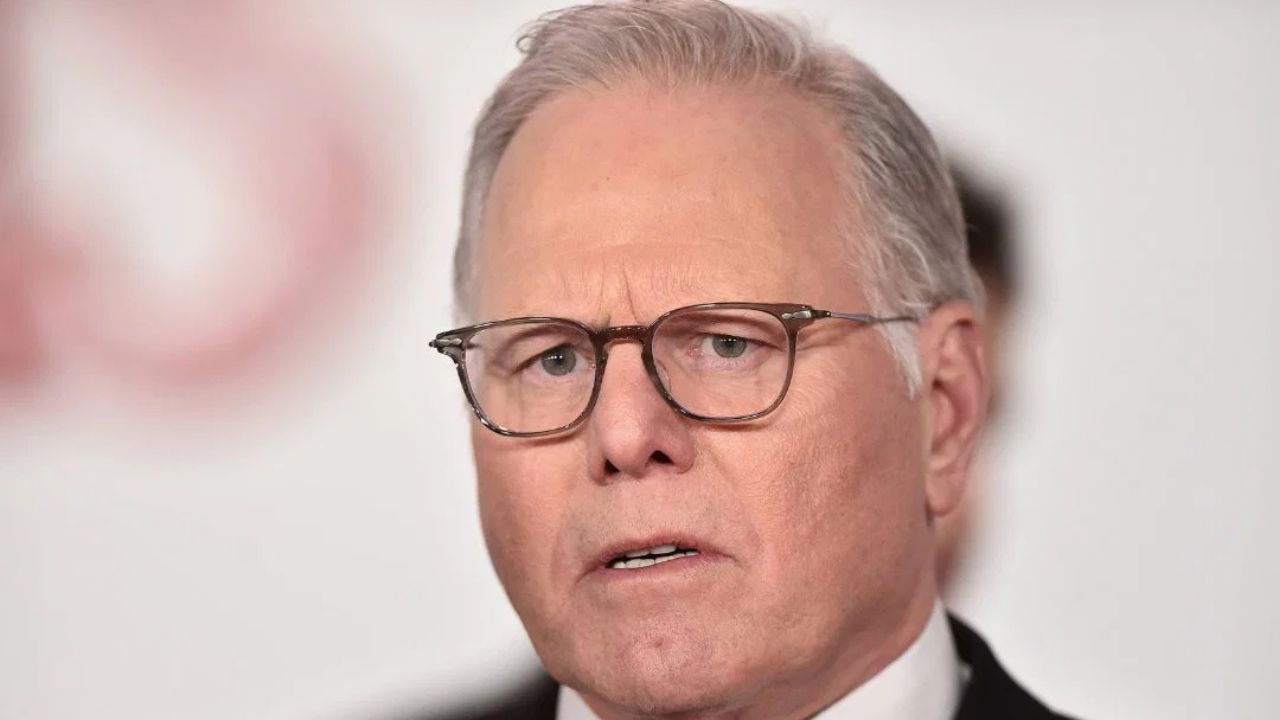
The scale of the deal underscores how dramatically the industry’s power structure could shift if the merger clears its final hurdles. That approval, however, came with a pointed message for leadership. A majority of investors voted against the multi-million-dollar exit packages for outgoing CEO David Zaslav and other senior executives tied to the merger.
While the vote does not legally block the compensation packages, it reflects growing unease about executive pay amid restructuring across the media sector. The “say on pay” portion of the meeting is non-binding, meaning the board can still move forward with the payouts. Still, the outcome mirrors ongoing criticism from proxy advisory firms and industry observers who have flagged the size and structure of these benefits.
Warner Bros. Discovery shareholders have green-lighted the $110-$111 billion deal that would send the company into the arms of Paramount Global Skydance, cementing a major reshaping of Hollywood’s media landscape. The vote backs a transaction under which WBD stockholders receive $31 per share, handing Paramount control of assets that include HBO, Warner Bros. film and TV, CNN, DC, Max, and a wide array of cable and streaming brands.
Even as investors sign off on the merger, opposition from Hollywood and political leaders continues to build.
Hollywood and political leaders escalate opposition
The Paramount–Warner Bros. Discovery deal has sparked a wave of organized resistance across the entertainment industry. More than 1,000 Hollywood professionals have signed an open letter urging regulators to block the transaction, warning that further consolidation could reduce job opportunities and limit creative diversity.
High-profile names like Joaquin Phoenix, Ben Stiller, Mark Ruffalo, and Kristen Stewart are among those raising concerns about the deal’s long-term impact. Unions and advocacy groups have echoed these warnings, pointing to projected cost savings of around $6 billion that could translate into layoffs and production cuts. The fear is that a larger, consolidated entity may prioritize efficiency over employment and creative risk-taking.
For many in the industry, the merger represents a tipping point in an already shrinking landscape of major studios. Political voices have also entered the debate, including Zohran Mamdani, who has framed the deal as a threat to media diversity, local jobs, and consumer choice. Statements from regulators and oversight bodies suggest that the merger will continue to face scrutiny under antitrust and competition frameworks.
What do you think will be the large scale implications of the merger deal? Let us know in the comments.
Written by

Pratham Gurung
Edited by

Hriddhi Maitra